
Crate Washer
The crate washers effectively clean, disinfect, and dry the crates, saving labor costs and achieving better cleaning results than manual.
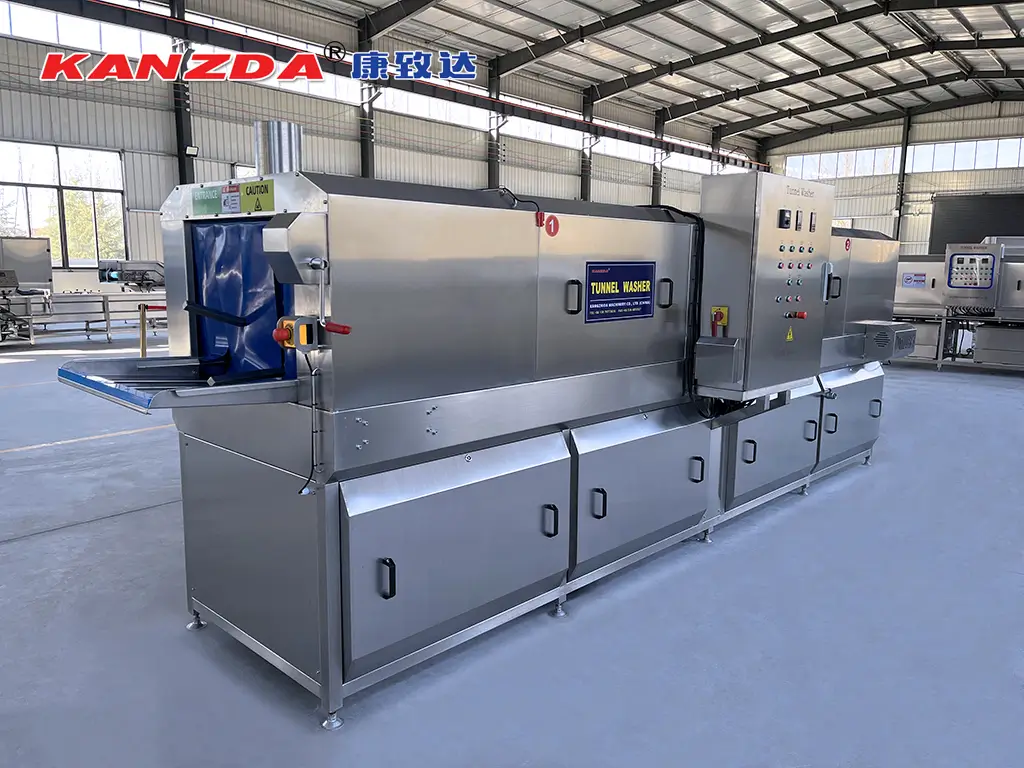
Key benefits of our crate washer
Powerful washing
Our industrial crate washer is designed according to your crate specifications, including nozzle layout, conveyor type, pump selection, etc. It ensures the machine removes stubborn contaminants from the crate surface with sufficient cleaning power!
Cost-saving
The crate washing machine cleans each crate using recycled water. In addition, the precise temperature controller prevents the heating element from starting frequently, significantly reducing water and energy consumption.
User friendly
The default control panel has physical buttons, making it easy for operators to turn on the required functions. Since not every company has professional engineers, the complex operation interface is challenging for ordinary employees.
Reliable safety
The protection units can adjust the water level in real-time to prevent the pump from damaging the water shortage. In addition, they can prevent the motor from burning out by cutting off the circuit when the working current is too high.
Explore our actual designs
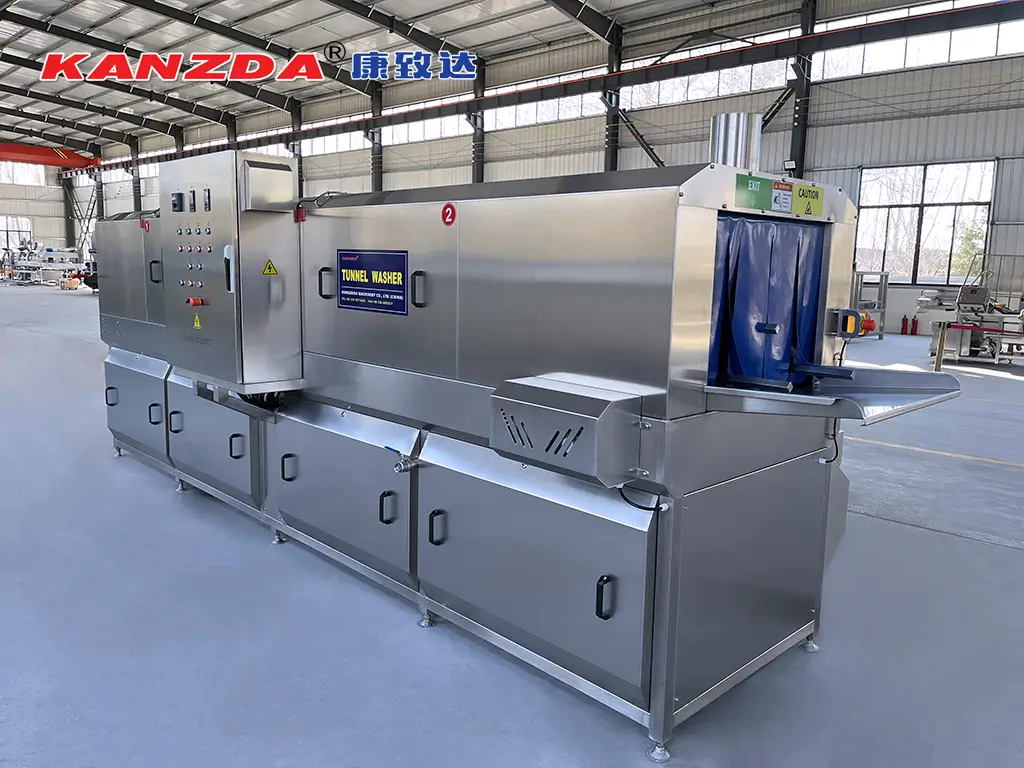
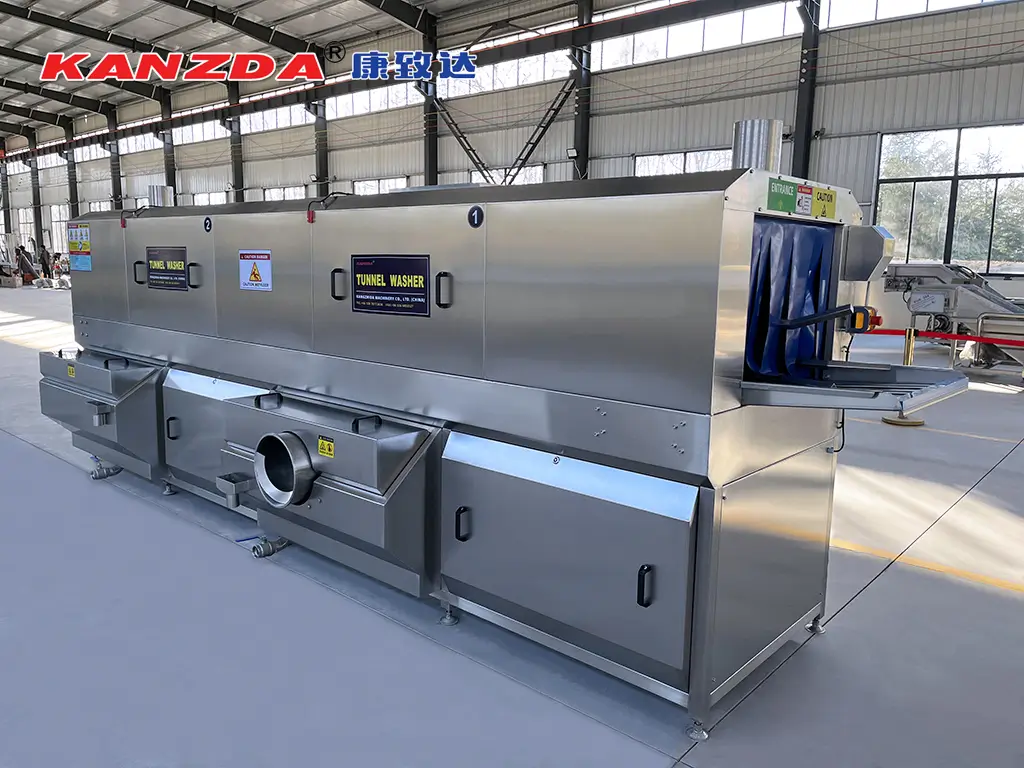

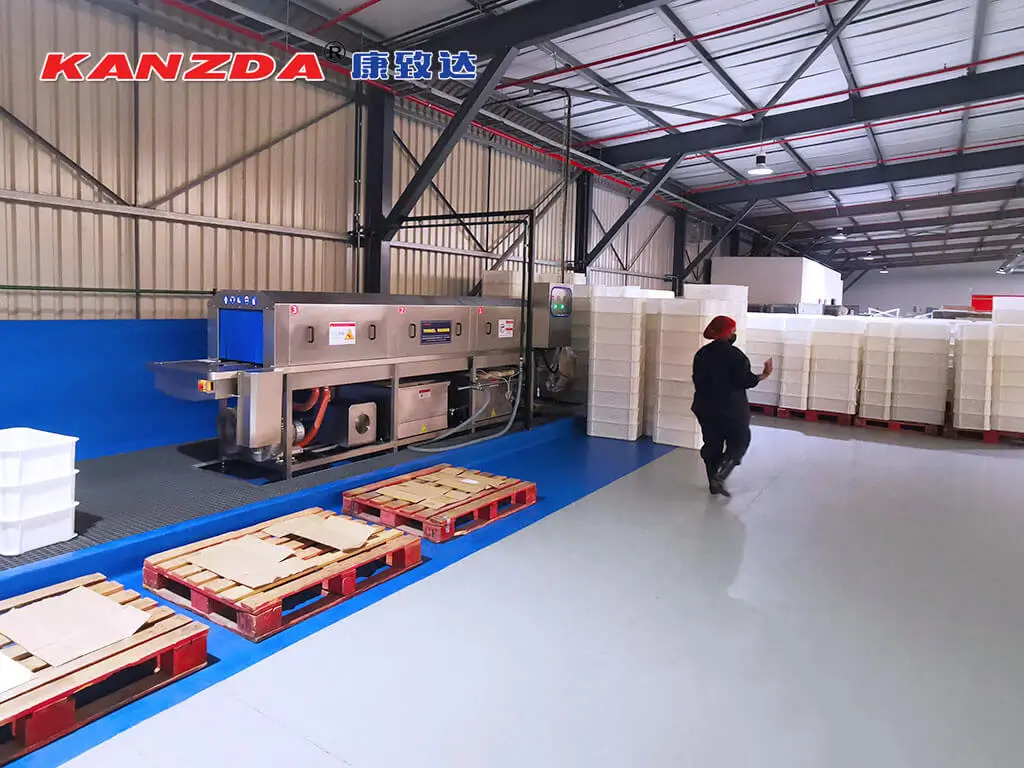
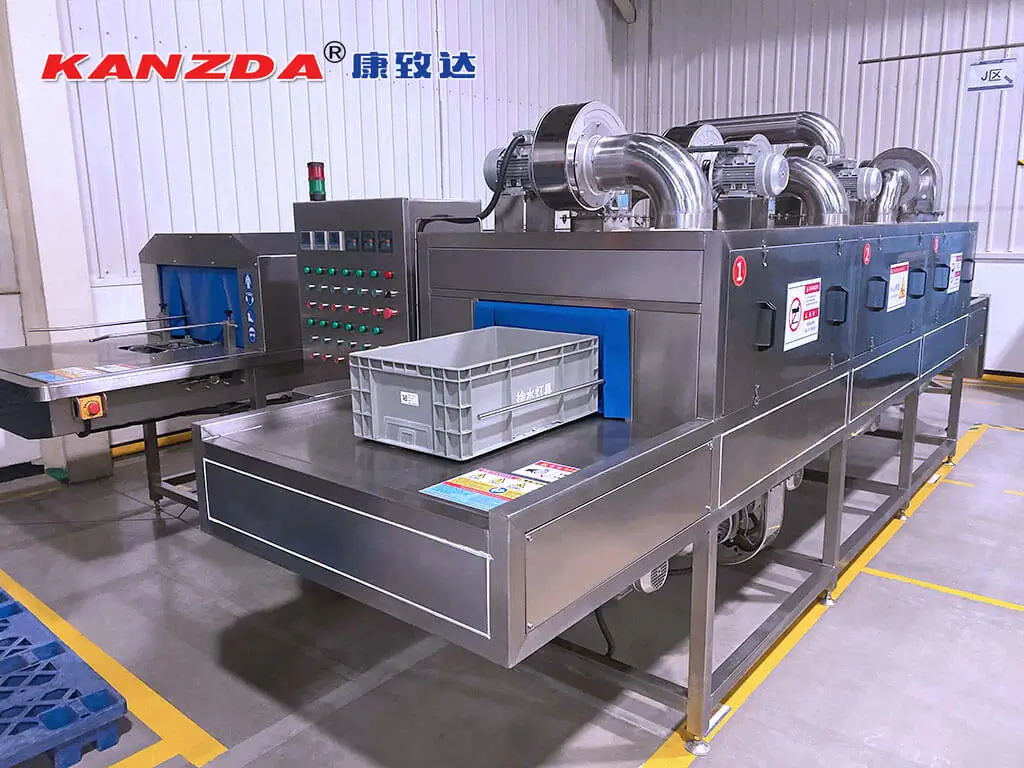
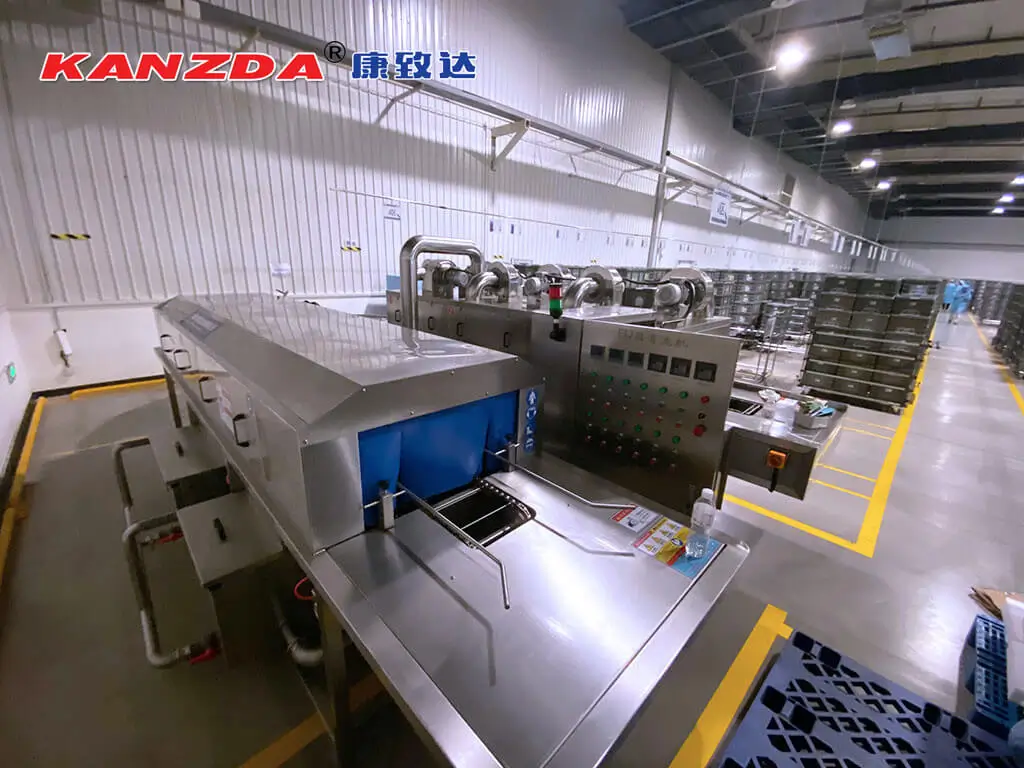


How we help customers in different industries
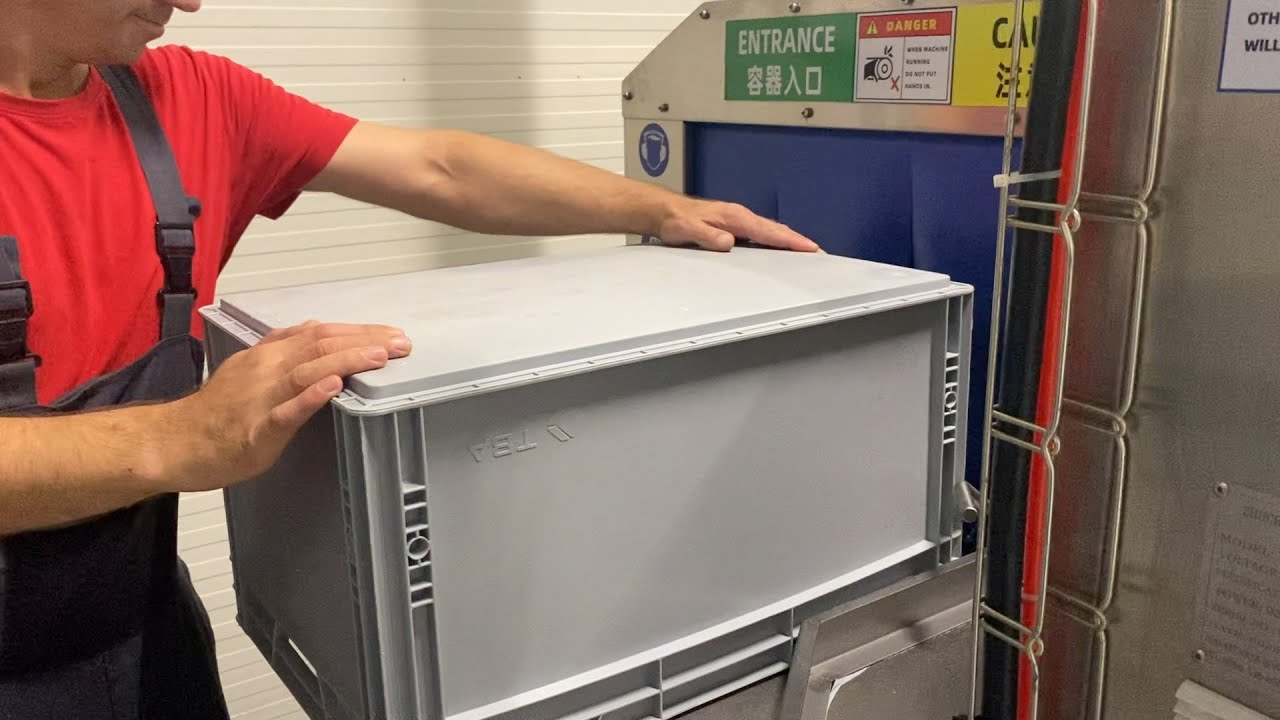
Prepared foods
To prevent cross-contamination of food or raw materials, manufacturers regularly clean crates in accordance with HACCP guidelines. However, manual cleaning still can’t wholly avoid potential hygiene threats. Like stains left in the crate corners and oil films that are hard to detect during visual inspections.
The KANZDA crate washers feature a hygienic design that covers every crate surface, effectively addressing incomplete cleaning. They also have a dosing pump that adds alkaline detergent to the wash tank at a set rate to remove stubborn oil films.
Automotive
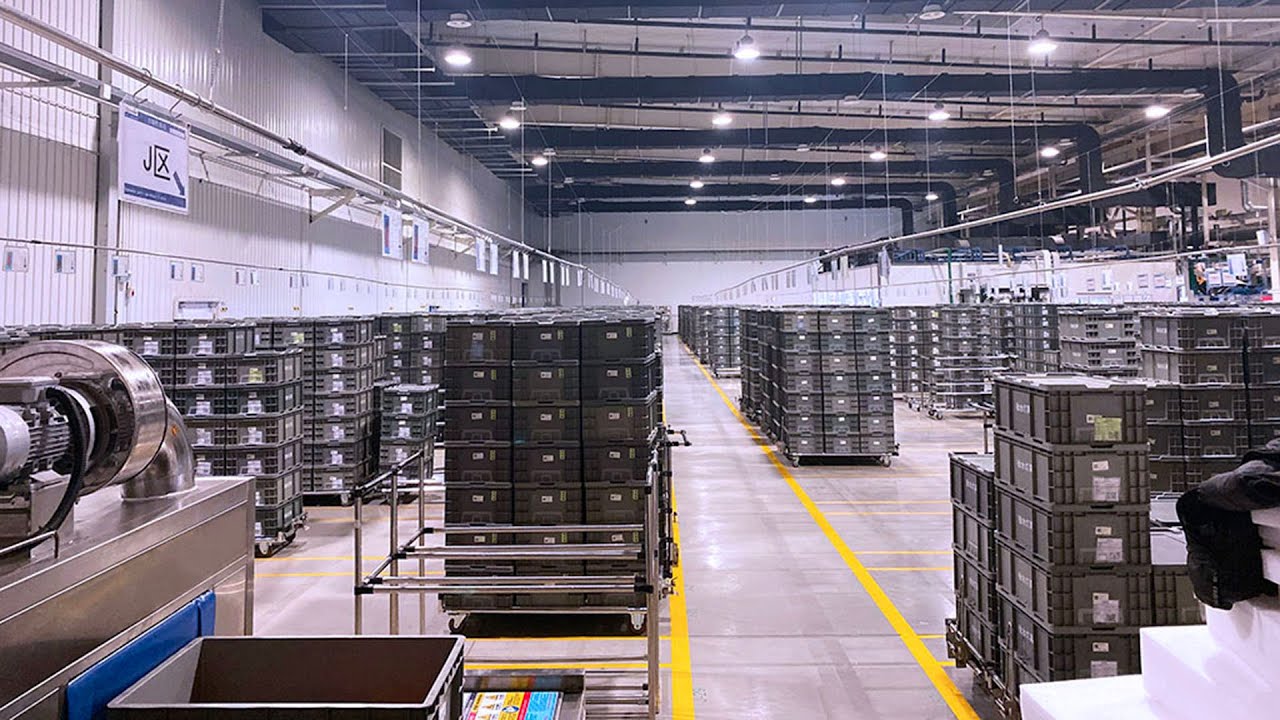
Automobile manufacturers use crates to transport auto parts, so their challenge is not stubborn stains but low turnover efficiency. Great Wall Motor’s workers used rags to wipe dust from the crate, preventing it from getting into the lamps. The reason they did not use water before is that they could not let the crate dry quickly.
We designed this industrial crate washing system to improve cleaning efficiency while ensuring a high drying effect. The system consists of a washing tunnel, a drying tunnel, and a return conveyor. It cleans and dries the crate according to a set program, then transfers it back to the operator’s side.
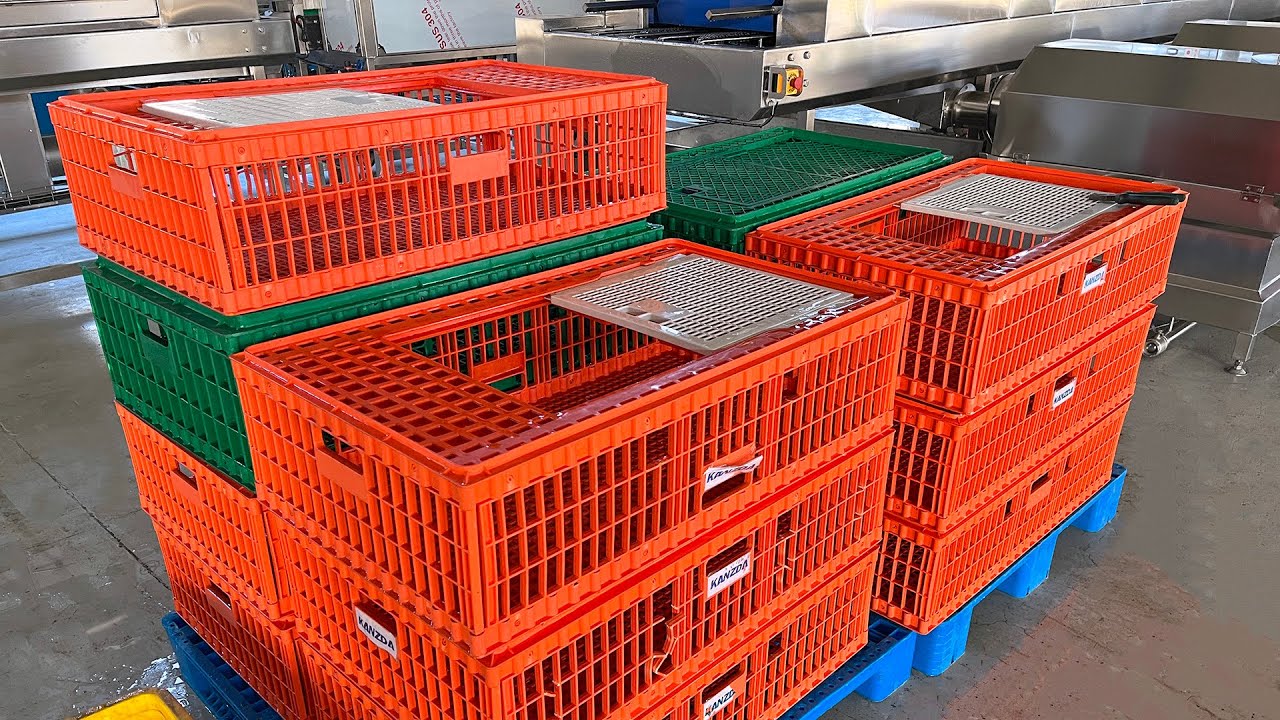
Chicken processing
Chicken processing plants use many different types of crates to transport live chickens or processed chicken parts. The stains on the live bird crate are heavy-duty chicken poop and feathers, while the crate that transports the chicken parts is fat and blood. Given the vast number of crates, manually completing cleaning tasks while meeting microbial testing standards is virtually impossible.
To solve this problem, most plants use two different industrial washers to clean these crates. The difference is that the live bird crate washer typically integrates with the poultry slaughtering line. This integration enables them to effortlessly process up to 15,000 BPH. In addition, the rotary filters can discharge manure and feathers outside the tank, preventing them from clogging the pump.
Bakery
Bakery manufacturers use plastic crates to hold dough or finished products. During production, some products(Like bread and cookies) use milk, peanuts, nuts, and other raw materials. Few factories manually wash crates, as it’s difficult to achieve effective allergen control. This potential food safety hazard may pose a significant risk to the business.
Preventing this is actually quite simple. Use a separate crate for any raw materials or products containing allergens, instead of mixing them with other crates. Then use an industrial washing machine to clean and disinfect each bread crate. Afterward, have a quality inspector sample the crates.
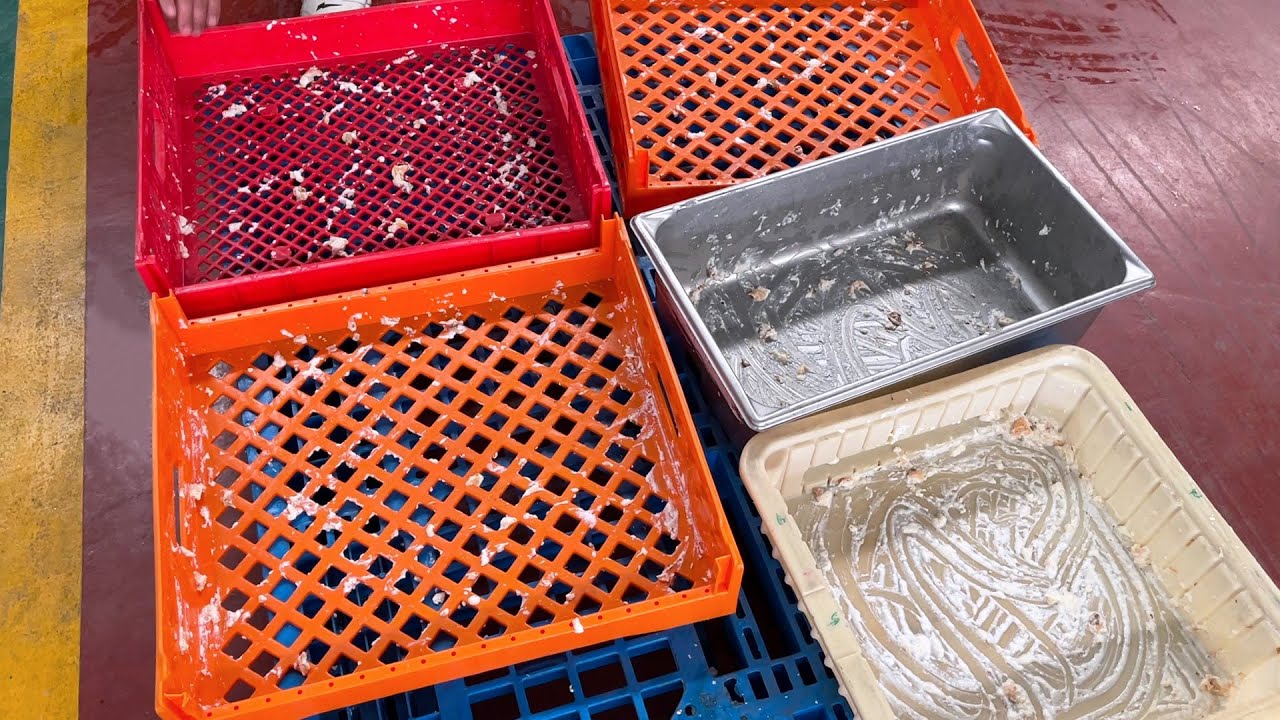

Restaurant Chains
Large restaurant chains like Roky’s typically use crates to distribute processed fresh products from factories to restaurants. These crates contain various contaminants, such as blood, vegetable juice, and grease. Therefore, it is impractical to require employees to manually handle them with water at different temperatures.
To achieve efficient cleaning while meeting EHS requirements, we designed this fully enclosed crate washer. It features two independently temperature-controlled wash zones. This setup allows sequential use of warm water and hot water, breaking down the stubborn combination of pollutants. The fully enclosed structure minimizes heat loss, prevents liquid splashing, and reduces noise.
How it works
Pre-wash
The pre-wash zone uses high-flow water to initially clean the crate, rinsing away most contaminants from the crate. In addition, it can soften tough stains such as heavy grease, meat scraps, etc., thus reducing their adhesion.
Main Wash
The main wash zone uses high-pressure water to remove residual stains on the crate. As the wash zone with the highest cleaning power, it usually uses hot water mixed with detergent.
Disinfect
The disinfection zone uses fresh water and disinfectant to rinse the crates. This process can inactivate bacteria, fungi, and pathogens on their surface.
Drying
The drying zone uses high-volume winds from the air blowers to blow away most of the water from the crate surface. For the higher drying effect, we can add a hot air drying tunnel to dry the remaining water.
Features
Options
Rotary Filter
It automatically discharges large impurities to the tank’s exterior, reducing the frequency of water changes and eliminating manual cleaning of these heavy contaminants.
De-stacker & Stacker
This option enables automatic stacking and de-stacking of crates. Therefore, it can prevent the operator injury from falling crates during the process while effectively reducing the workload.
Flipping Mechanism
The mechanism can flip the crate above the machine 180° and then feed it into the washing tunnel. This enables single-person operation in the limited floor space.
Return Conveyor
The conveyor can transport cleaned crates back to the operator’s side or other production line within the facility. This enhances operational efficiency while reducing labor costs.
Infeed & Outfeed Conveyor
As a convenience-enhancing auxiliary device, the conveyor can temporarily store multiple crates. This allows operators to place and retrieve them more quickly.
Vapor Extraction Fan
It can automatically discharge steam into the facility’s ventilation system for filtering, thereby complying with your local environmental regulations.
Label Remover
It effortlessly removes labels and adhesive residue without manual intervention, preventing crate scratches while safeguarding employees from chemical exposure.
Quick Hold-down Rail
This mechanical unit enables operators to easily hold down crates in 3 seconds. Therefore, it can significantly reduce the time required to fix crates of varying heights.
Closed-loop Coil
The coil enables steam to heat the tank without contacting the water, then returns to the boiler for circulation. This prevents impurities in the steam from contaminating the tank’s water quality.